

ADU Multigenerational Living: Why I Think This Is One of the Best Housing Solutions of Our Time
Article may have affiliate links. If you make a purchase, I may earn a tiny commission at no extra cost to you. Big thanks for supporting my small business.
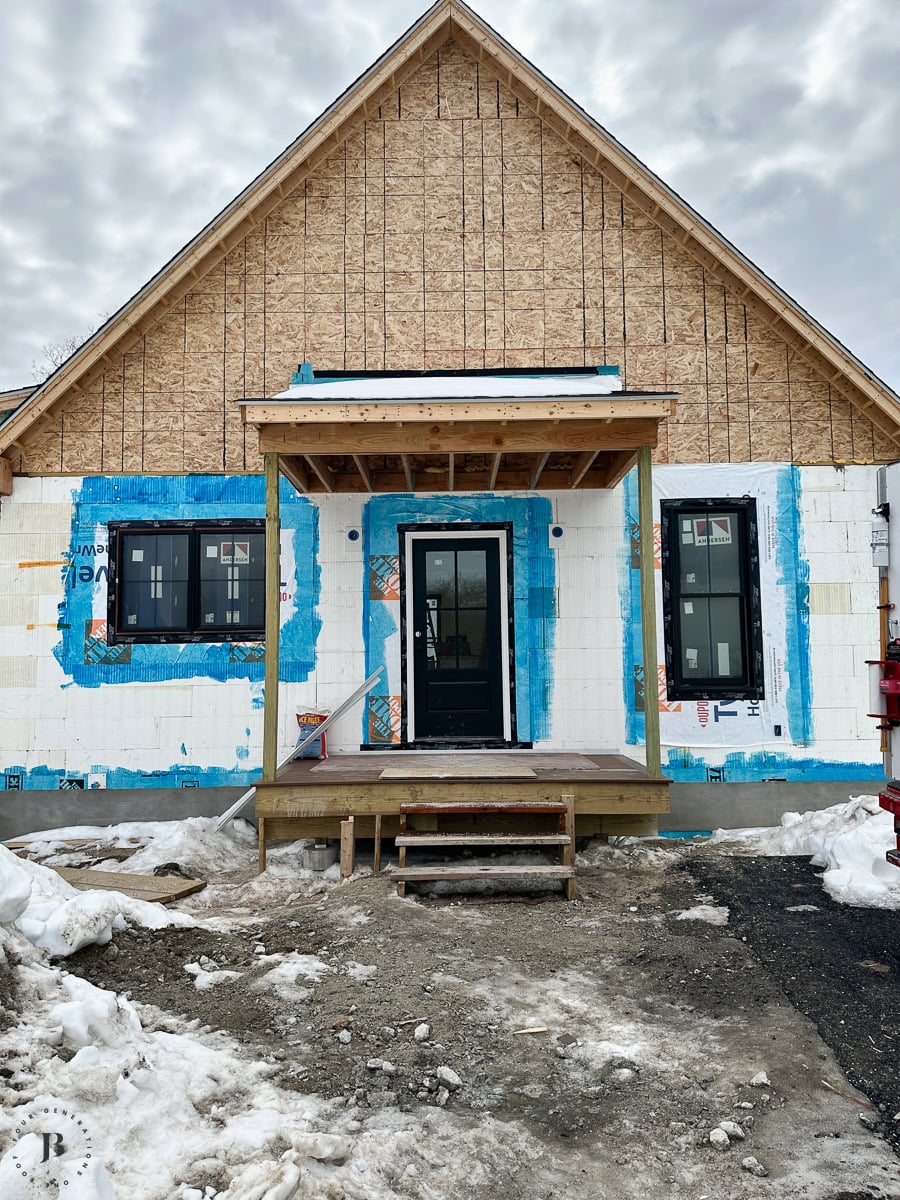
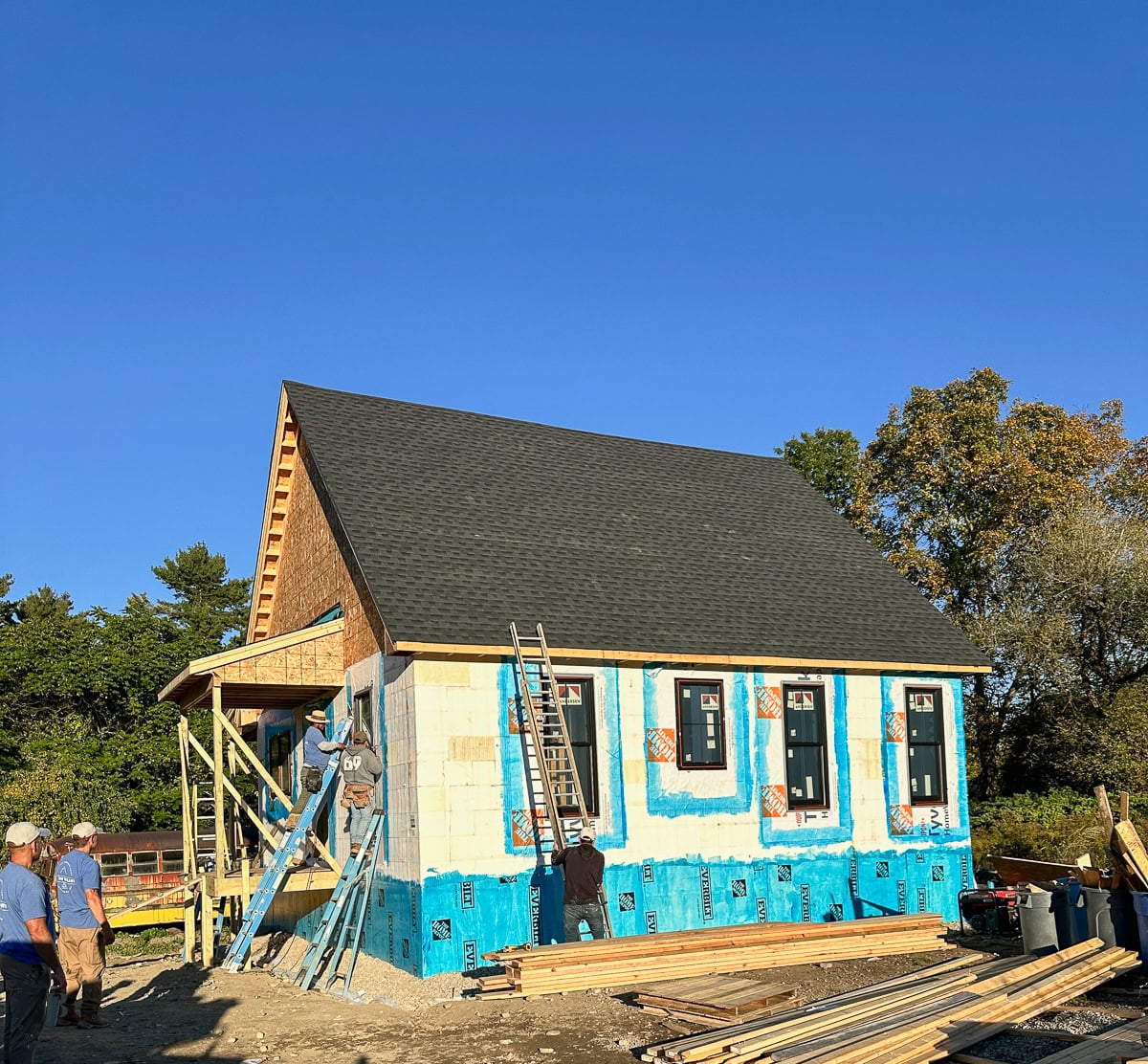
ADU multigenerational living is something I have been sharing for the past few months and if you have been following along, you know we are right in the middle of documenting a real multigen compound build from the ground up. A daughter and her family in the main house, her parents in a brand new 900 square foot detached ADU out back. Two homes, one property, three generations doing this completely on purpose.
The last post covered the ICF foundation and the concrete pour (find that ADU post here) Today’s post is all about the moment this multigenerational compound project started looking like someone’s home. 😉
ADUs Aren’t Just for Aging Parents Anymore – And That’s the Whole Point
Here’s what I want people to understand about ADUs, because I think the conversation is too narrow.
When most people hear “accessory dwelling unit,” they picture an aging parent moving into a little house in the backyard. And yes, often times that is the case ….but
A well-designed ADU on your property is one of the most flexible things you can build. Right now it’s for the parents. In 20 years, maybe it’s for a grown kid who needs a landing pad while they get on their feet. Or a rental that generates $1,500–$2,500 a month in income. Or a home office that actually has a door that locks. Or all three over the course of the property’s life.
That flexibility is the whole point. You’re not building for one season of life. You’re building infrastructure that serves whoever your family needs it to serve, whenever they need it.
That’s the win! And in Massachusetts, as of 2025, you can build up to 900 square feet without a special permit. Which is exactly the size of the ADU Jim is building for this family and we’re documenting everything along the way.😉
So What Does 900 Square Feet of Intentional Multigenerational Design Actually Look Like?
Let me show you. Because this build is a really good example of what happens when a family makes the right decisions before construction starts.
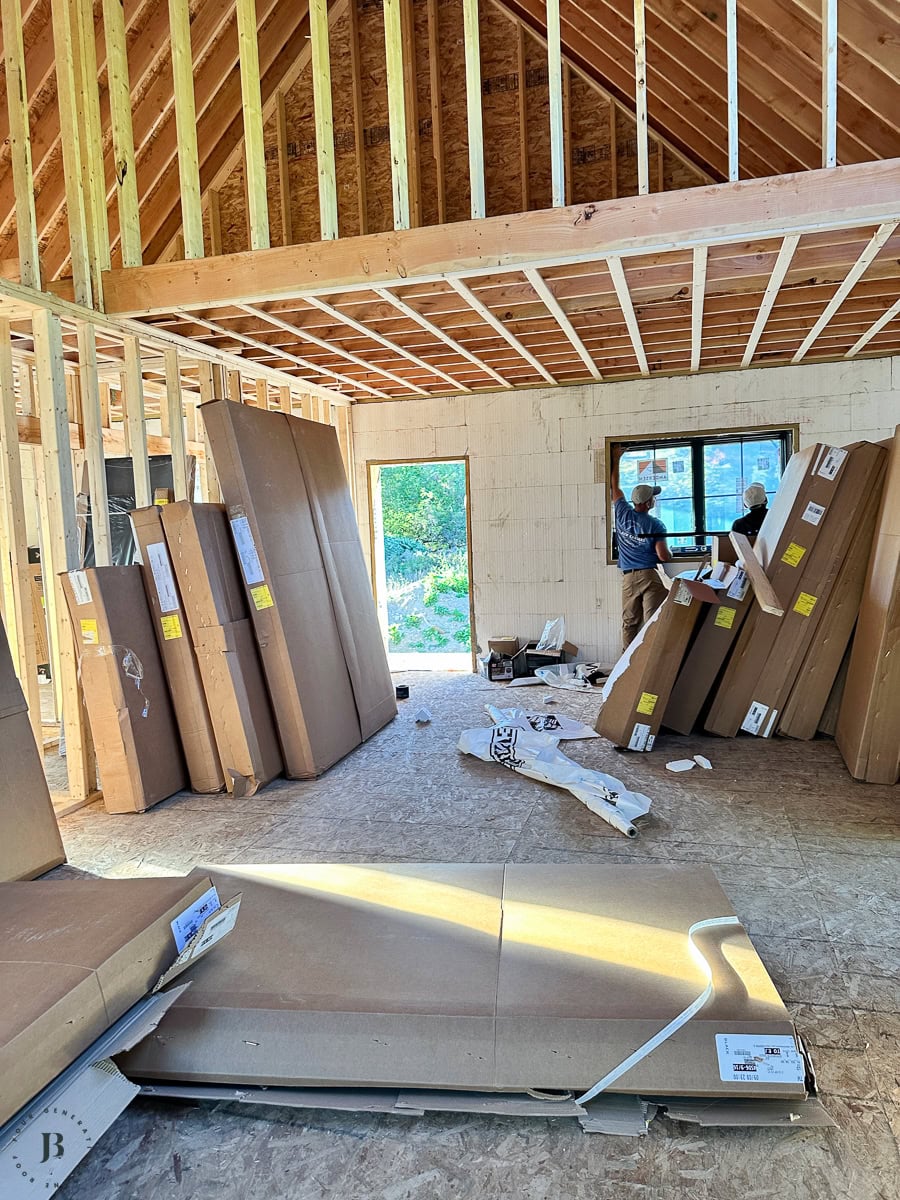
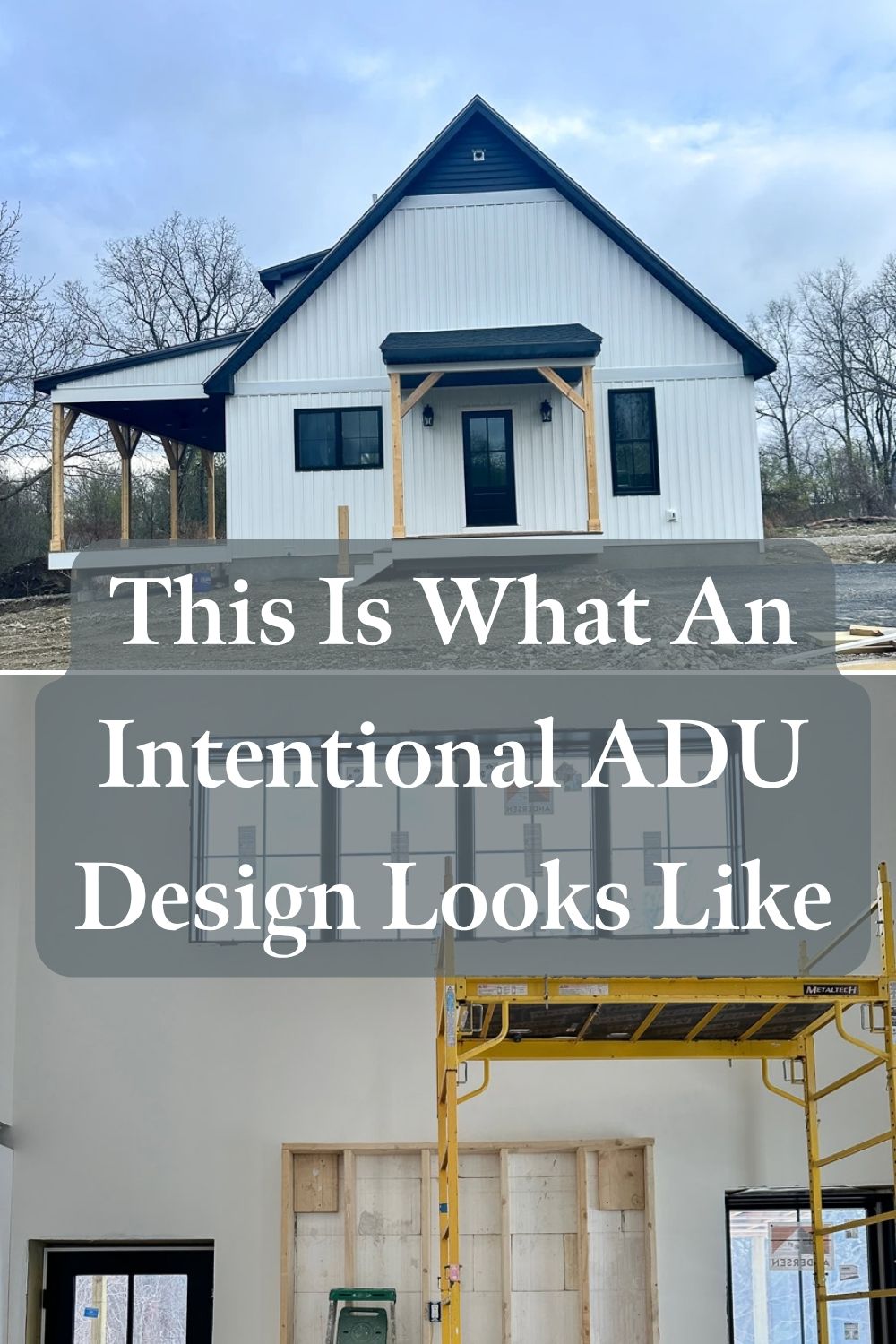
The first thing you will notice on the interior framing is the ceiling.
Or more specifically, how high it is!
The Ceiling That Changes Everything About Living in 900 Square Feet
Some of you are probably thinking, 900 square feet? That’s small!
And you’re not wrong. 900 square feet is a deliberate, intentional size. It’s not large. But here’s what most people don’t realize: whether a small space feels small is almost entirely a ceiling decision.
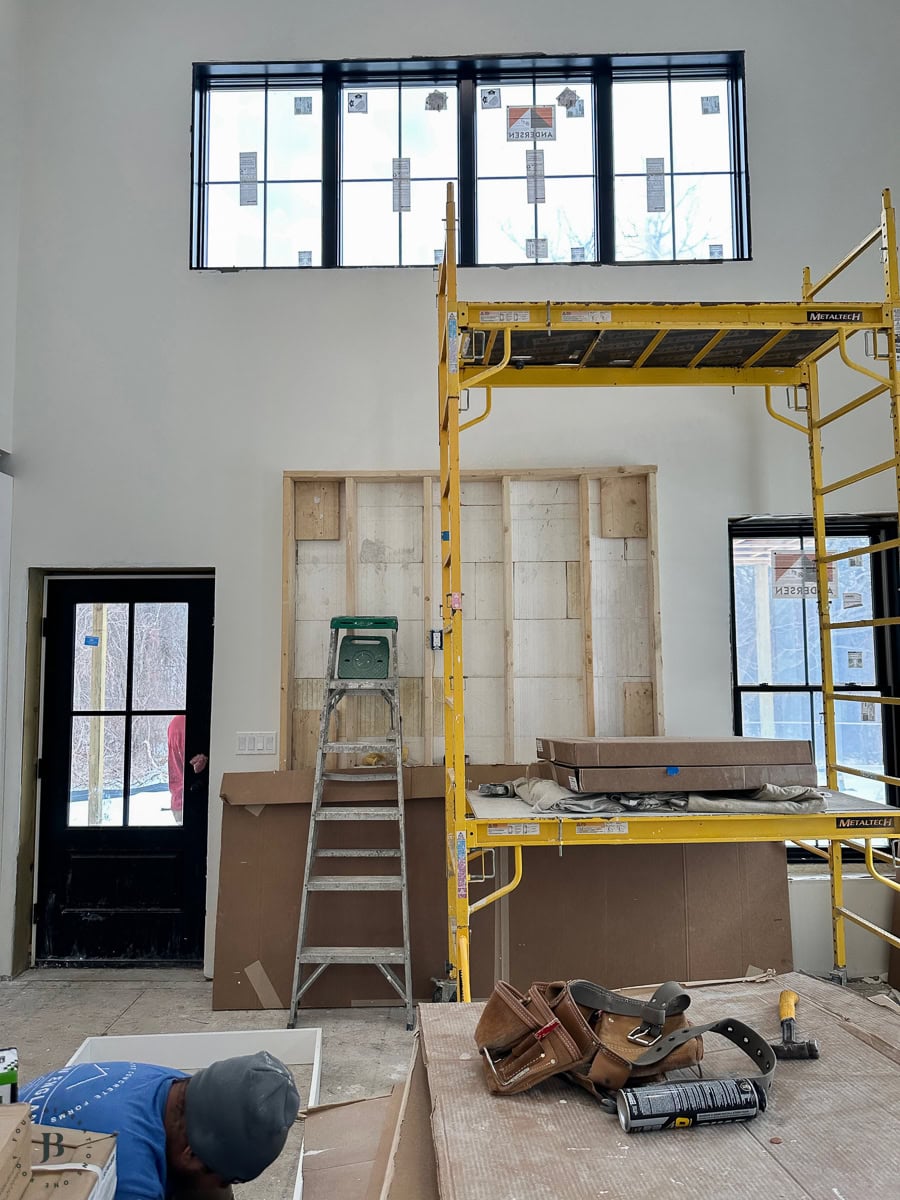
The family chose to vault the ceiling in the main living area. Which means instead of a flat 8-foot ceiling pressing down on the kitchen and living room, the roof pitches and with transom windows at the top, the natural light creates a feel of an open larger space.
When you walk in, your eye immediately goes up.
And honestly? It feels so much larger than just a number, of 900 sf. Because the design was intentional. Every decision was made on purpose, for this family, for how they actually live.
The Layout Decisions That Make a Multigenerational ADU Actually Work
Okay, here’s where it gets interesting. Because a vaulted ceiling is beautiful, but it doesn’t solve the real challenge of multigenerational living.
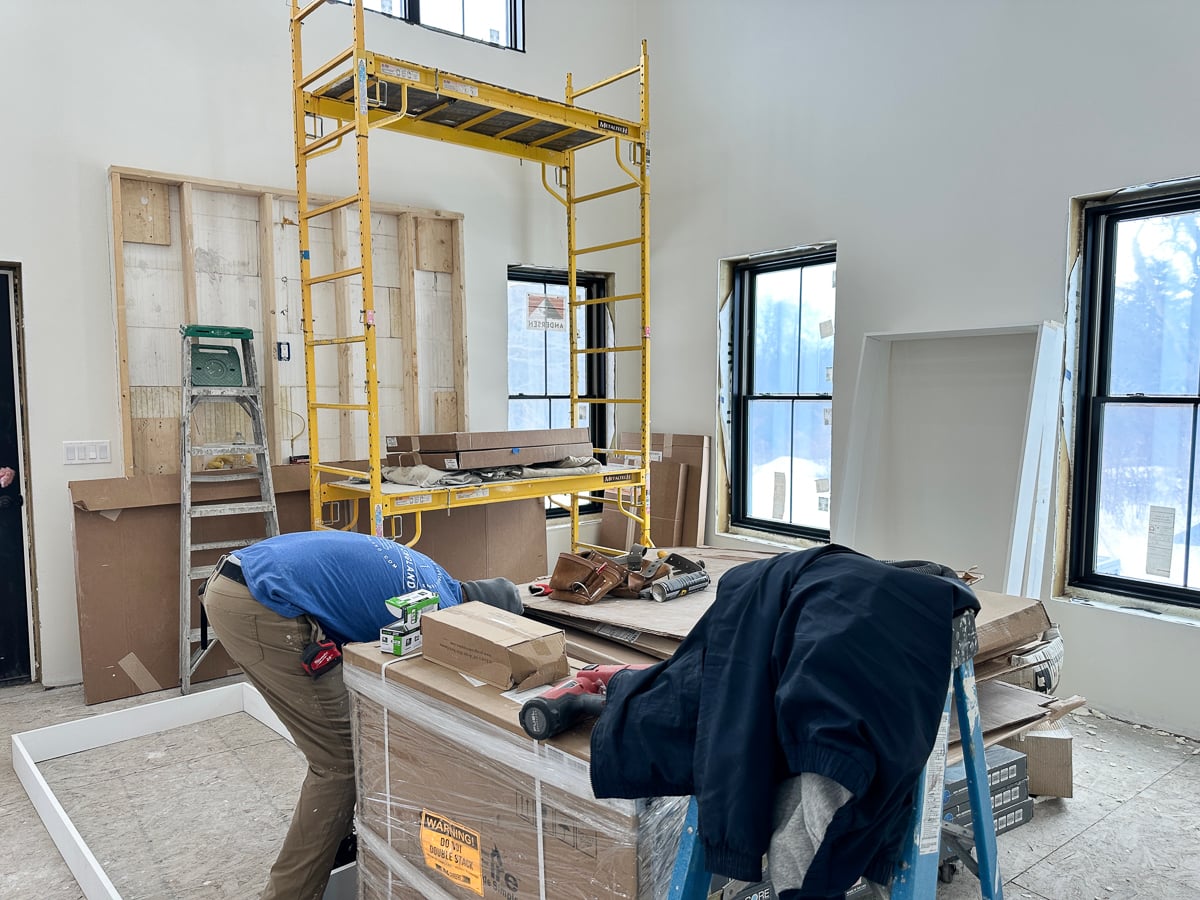
The real challenge is: how do two or three generations share a property without stepping on each other?
The answer is how you position the rooms.
The Living Space Is Open and Faces the Trees
Privacy is one of the biggest issues when it comes to multigenerational living and by positioning the tv space and kitchen on the far end of the ADU (and facing the woods), this prevents direct sightlines from the ADU into the backyard of the main house.
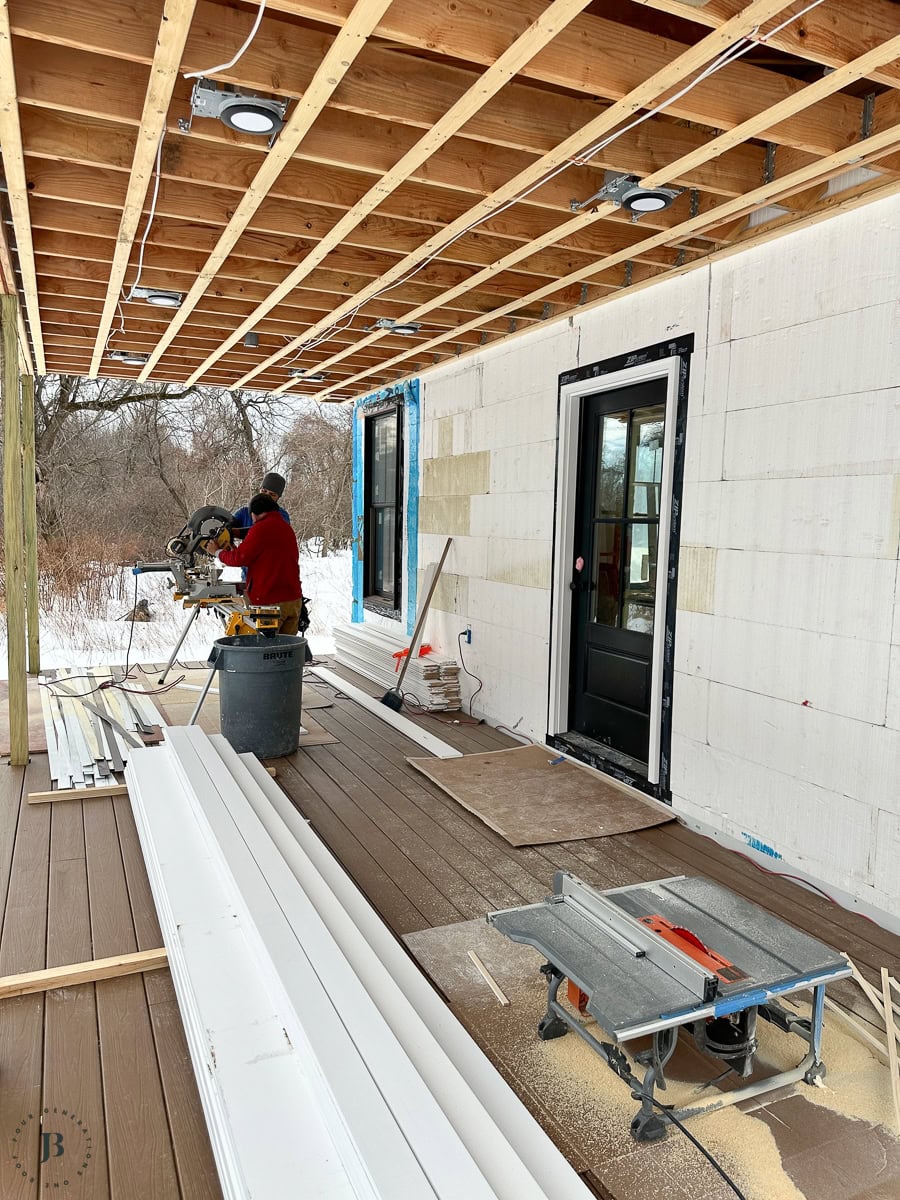
The ADU now has their own private covered deck overlooking nature and beautiful woods and the main house can enjoy privacy on their back patio or pool area, without the ADU fam staring at them 😉. Not that they don’t all love each other but they all realize that privacy is key!
Keep in mind, outdoor decks and porches do not count towards your 900 sf living space in Mass so adding a nice covered deck is a great way to extend your living area during the warmer months.
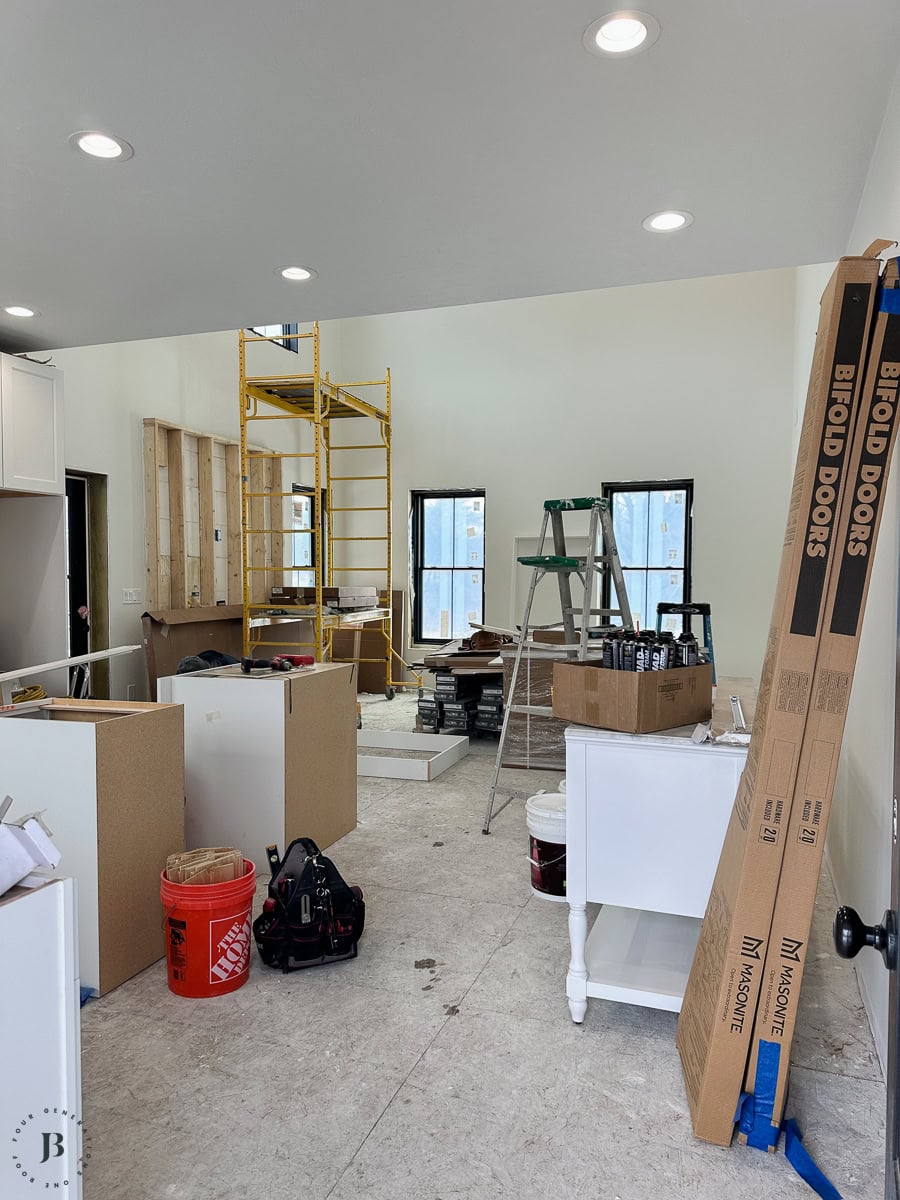
With no wall between the kitchen and the living area, at 900 square feet, you design for how people are actually going to live — not for what a floor plan checklist says you should have. This creates a larger living space that feel open and not cramped. If you want to see the space above fully completed, take a house tour here.
Plan Doorways Wider Than You Think They Need to Be
Food for thought regarding doorways ….a standard doorway is about 32″ but what you may not be thinking about is, planning for the future and by adding an additional 4 inches, you can really set yourself up for success!
Four extra inches. Sounds like nothing.
But 36 inches fits a wheelchair, a walker, a person with their arms full of groceries, two people trying to get through at the same time. And here’s the thing, a family may not need it today but in 15 years, they may! So keep that in mind when you are planning your ADU layout.
You can see this in full effect at another multigenerational home Jim built last year for twin brothers and their wives! Check out that series here.
This Is What “Intentional” Looks Like When It’s Actually Built
I talk a lot about intentional multigenerational design. About making decisions before the concrete pours instead of after. About building for how your family actually lives, not how you hope they’ll behave.
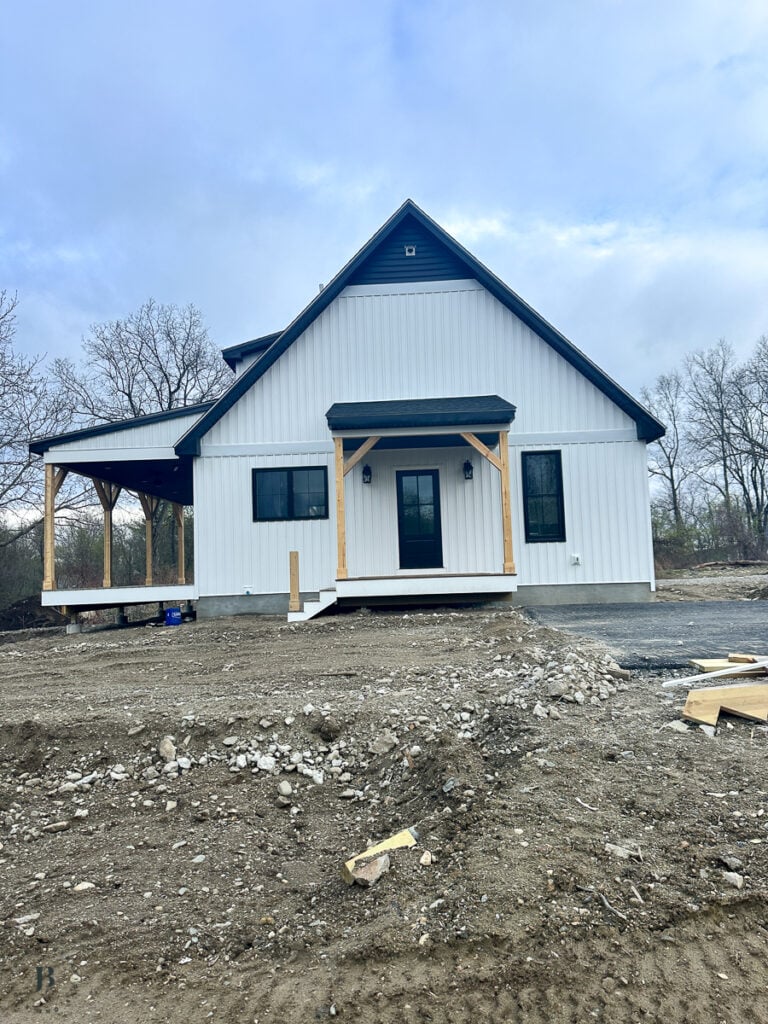
Here is a peak at the ADU modern farmhouse exterior with siding….
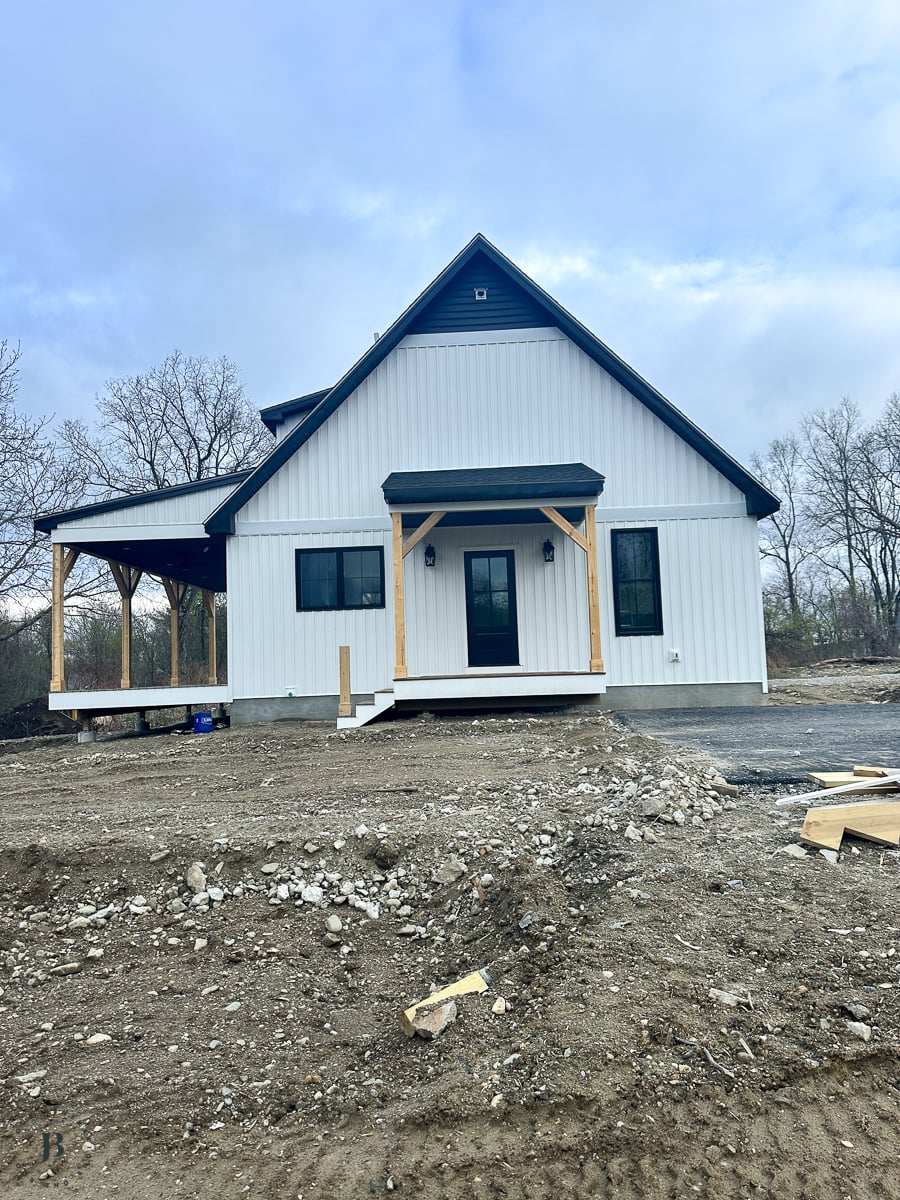
This multigenerational compound project is what that looks like in real life and the family is very close to being full time compound living neighbors!
They built all their “answers” about privacy, what happens in 20 years to the ADU should the parents not live there, who pays for what and so on.
That’s the whole thing. That’s what makes the difference between a multigenerational property that works beautifully and one that creates friction from day one.
And for the record — if you’re in Massachusetts and you’ve been thinking about an ADU? The 2025 law that allows up to 900 square feet without a special permit is a real game changer. It’s not a loophole. It’s the state finally catching up to what families actually need. 🙌
Not sure where to start?
Grab my free Multigenerational Compound Planning Checklist. It walks you through the 96 questions to answer before you build, buy, or renovate. Zoning, utilities, privacy, budget. All of it.
Grab the free ADU Planning Checklist →
Already past “is this possible” and into “how do I actually plan this?” The Multigenerational Compound Planning Guide is the next step. Sixteen years of experience, a full budget matrix, ownership structure breakdown, and a real case study from an actual compound project. $47, 23 pages, no fluff.
Common FAQ’s
In Massachusetts in 2026, most homeowners building a 900 square foot detached ADU should budget between $300,000 and $400,000 all-in — that includes foundation, framing, mechanical, utilities, permits, and finishes. The fixed costs (septic connection, foundation, kitchen, bathroom) stay roughly the same regardless of size, which is why even smaller ADUs rarely come in under $250,000. Site conditions like ledge, slope, and tree clearing are the biggest variables that push costs up. The 2025 Massachusetts ADU law allows you to build up to 900 square feet without a special permit, but standard building permits are still required.
An ADU (accessory dwelling unit) is a fully self-contained structure with its own entrance, kitchen, bathroom, and living space — completely separate from the main house, either detached or attached. An in-law suite is typically a bedroom or small apartment within the main house that shares some systems or entrances. For multigenerational living, a detached ADU gives each generation genuine independence — separate front doors, separate outdoor space, separate schedules — in a way that an in-law suite inside the main house usually can’t. If privacy and long-term livability are the goal, a detached ADU is almost always the better design decision.
The answer is almost never rules — it’s layout. Three decisions make the biggest difference: where you position the ADU bedroom (farthest from the main house, not nearest), which direction the ADU porch faces (away from the main house deck, not toward it), and whether the ADU’s main living space has a view of the yard or woods rather than the main house back door. Privacy in multigenerational living comes from designing separation into the structure before anyone moves in. A family that has to ask for quiet is already in a harder situation than a family whose layout makes quiet the default.
Yes — when the design is intentional. A 900 square foot ADU can comfortably house two people long-term with two bedrooms, a full bathroom, a real kitchen, and a living area that doesn’t feel like a hotel room. The difference between 900 square feet that feels cramped and 900 square feet that feels like a home is almost entirely ceiling height and layout. A vaulted ceiling in the main living space makes the room read as significantly larger than its footprint. An open kitchen and living area (no wall between them) makes the space feel connected rather than chopped up. At 900 square feet, every design decision counts — which is exactly why those decisions need to be made before the framing starts, not after.
Next up in this series: how the utilities on this compound connect — because two homes on one property share more than a driveway, and that planning matters more than most people realize.
PS. If you are thinking about an ADU for your own property, for aging parents, an adult kid, rental income, or just because you finally can, I put together a free 96-question planning checklist that covers everything you need to think through before you build. Zoning, utilities, layout, the hard family conversations. All of it. Grab it below. 👇
Grab our free ADU planning checklist, click here.
Catch Up On The Accessory Dwelling Unit Series (ADU’s)
- Massachusetts ADU Law passed in 2025 and everything you need to know
- Building an ADU from the ground up with Insulated Concrete Forms
- One of the best housing solutions is building an in-law and/or ADU and here’s why
- 900 square foot real life house tour – new construction build
- Meet the main house built beside the detached ADU on this same property
- See more real multigenerational floor plans for ideas beyond this series
Meet Jessica
What started as a hobby, Jessica’s blog now has millions of people visit yearly and while many of the projects and posts look and sound perfect, life hasn’t always been easy. Read Jessica’s story and how overcoming death, divorce and dementia was one of her biggest life lessons to date.
Hi Jess, I just thought I’d put my 2 cents in about living in 900 sq ft. It certainly can be done and quite comfortably, even without the vaulted ceilings! I have lived in a 900sq.ft. cottage for over 50years. What was supposed to be a starter home, for my ex and I, became our family home after the birth of our daughter, the acquisition of our pittie, and later my own little piece of heaven after the divorce and my daughter had grown up and moved out. I have made some changes of my own along the way and am quite happy to have my own place. It’s manageable now that I’m approaching 77yo. Taxes are within my retirement income, there’s room to garden, entertain on my new stamped stained patio, and not too much to clean that I can’t travel or do what I want with my spare time. I don’t have an ADU, rather my own 50 ft lot, but the living space has always been adequate and easily within our/my means. So, if any of your followers are on the fence about downsizing into something this size, I highly recommend it! The vaulted ceilings btw do look amazing and if I had it to do over would have liked to have them for the spacious feeling. However, energy/heat cost in my part of the country would be a big consideration, now. I’m sure the ADU will be beautiful when finished and the family you are building it for will be very comfortable and happy there. Also, best of luck with your own new house build and the next chapter in your life!
Hi Karen, this was in my spam!! Sorry for the late reply. It is so true about the size and what a blessing to have lower living costs. If Jim would be happy with a smaller house I would be game for sure!!! 🙂 Did you see the ADU reveal post this week?