

Mosquito Repelling Plants In Container Pots
Article may have affiliate links. If you make a purchase, I may earn a tiny commission at no extra cost to you. Big thanks for supporting my small business.

Nothing ruins a relaxing evening on your porch like pesky mosquitoes, but did you know certain plants can help keep them at bay? From the popular citronella plant to other mosquito-repelling options, these potted plants not only add charm to your outdoor space but also serve as natural bug repellents.
Let’s take a look at the best mosquito repellent plants to create a beautiful and functional outdoor oasis that bugs won’t want to invade!
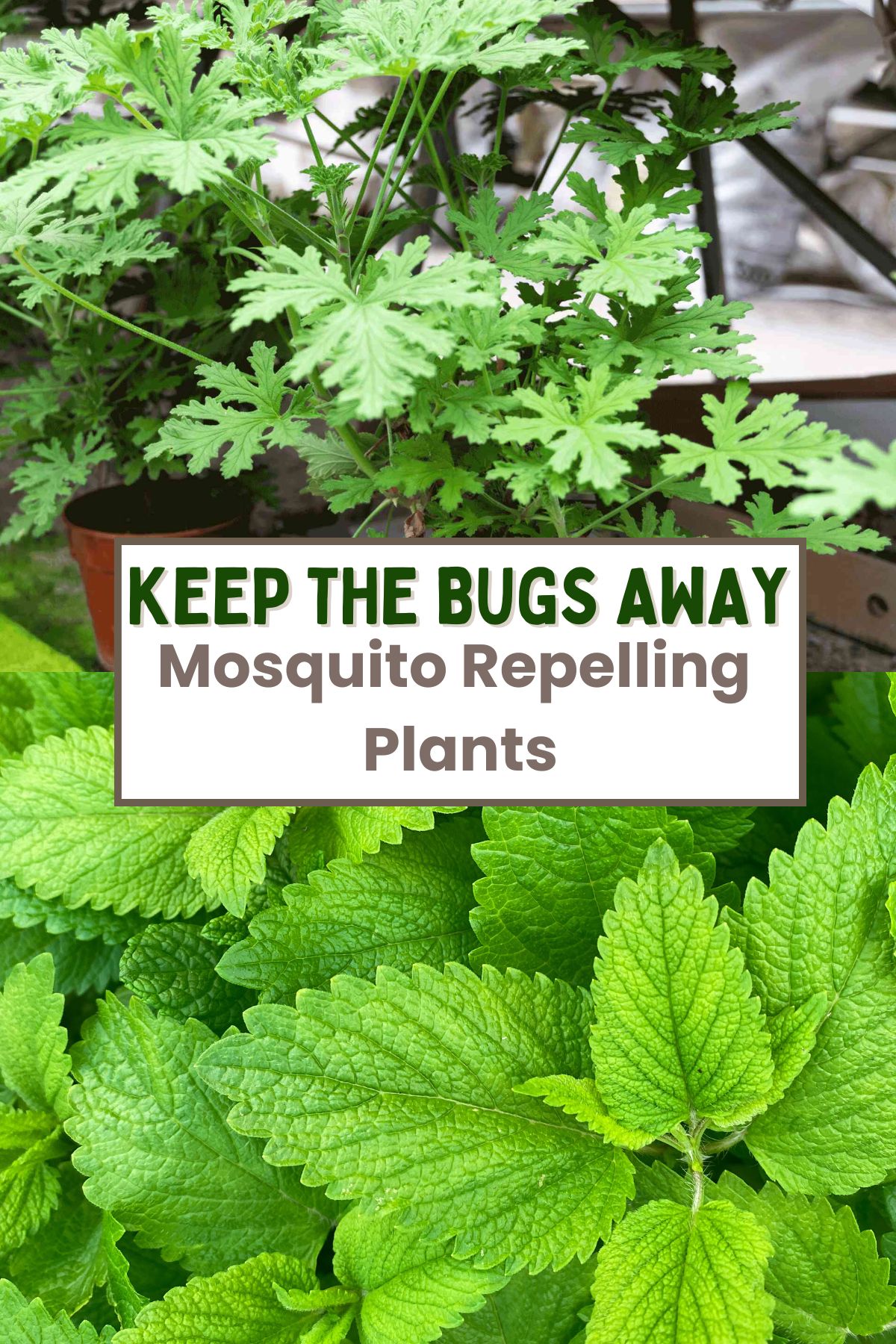
Mosquito Repellant Plants
Some of the most popular mosquito-repelling plants include lemongrass, citronella plants, geraniums, and catnip, all known for their natural ability to keep bugs at bay and add beauty to your outdoor spaces.
Perennial plants that repel mosquitoes are an affordable, non toxic way to keep the bugs away.
The fact that the plants come back every year (perennial plants) keeps the cost down year after year.

Some of you may know that we camped for years and needless to say, mosquitoes are more prevalent in the woods and on the water.
Filling a group of planters with mosquito repelling plants was a must on our deck at the camp!
Not only do they make the deck look pretty, they help keep the bugs away. Plants that keep the bugs away are the best!
The picture above is our deck at the camp featuring geraniums and lemon grass.
Mosquito Repellant Plants Outdoors
Sure, you can spray the area beforehand, I’ve done it myself but it often leaves my furniture coated with a smelly film of bug spray that barely lasts an hour.
Another benefit of weaving in mosquito repelling plants is they organically add color, texture and “life” to your patio or deck.
Citronella Mosquito Plant
A citronella mosquito plant is one of my favorite plants. It adds color and texture and I don’t mind the smell. For some reason, the plant smells better than a citronella candle to me.

Here is an example of an outdoor space on our porch below (at our old house) and the addition of beautiful potted plants that are not only pretty but repel mosquitos is a welcomed concept.
I especially love that a pot of beautiful geraniums repels mosquitos.
Do Mosquito Repelling Plants Really Work?
While certain plants, such as catnip, have demonstrated mosquito-repelling properties – with studies indicating that nepetalactone, the essential oil in catnip, can be more effective than DEET their effectiveness in real-world settings, like patios, may vary.

For example, one tiny plant is not going to solve your mosquito problem 100% but will certainly compliment other preventative measures as well.

Some of the best mosquito-repelling plants include lavender, lemon balm, peppermint, marigold, and rosemary – many of which are herbs!
When entertaining outdoors, I keep mosquito nets for food and light scented candles to help ward off bugs.
These lush, fragrant plants not only repel mosquitoes but also add beauty to your space.
My grandmother always had pots of vibrant red geraniums, which thrive in the sun, look stunning, and keep mosquitoes at bay.

Plants That Repel Mosquitoes
I had no idea that a cascading geranium was considered a mosquito repelling plant.
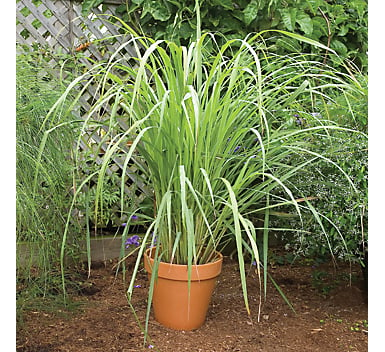
Did you know Citronella, or West Indian lemongrass, is a tall plant and the source for citronella oil?
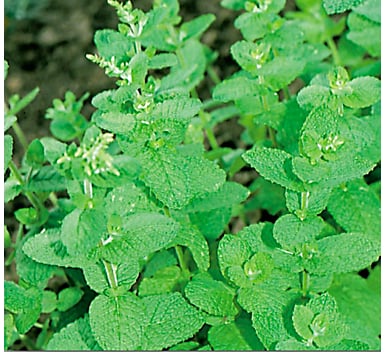
Catnip is said to be 10 times more effective than DEET in repelling mosquitoes.
The cascading geraniums would be a perfect addition to our poolside lounging area below as geraniums thrive in full sun.

Related: New Summer Patio Oasis Reveal

Does anyone have any other tips on how they repel mosquitoes? Please share your tips below and add images, I would love to see your ideas.


Meet Jessica
What started as a hobby, Jessica’s blog now has millions of people visit yearly and while many of the projects and posts look and sound perfect, life hasn’t always been easy. Read Jessica’s story and how overcoming death, divorce and dementia was one of her biggest life lessons to date.